
By Sehrish Anjum
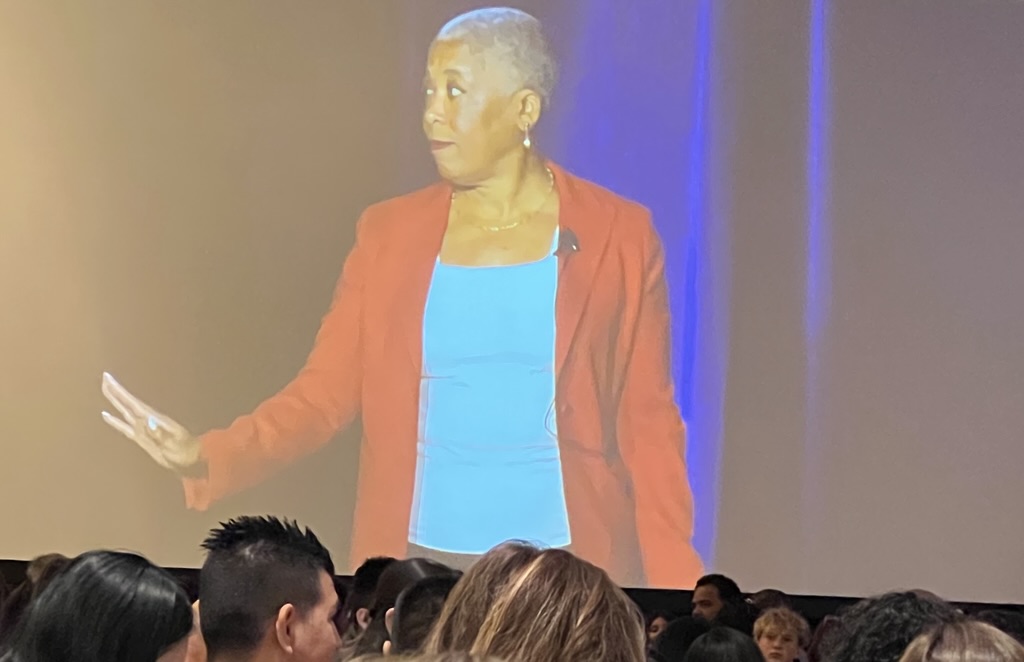
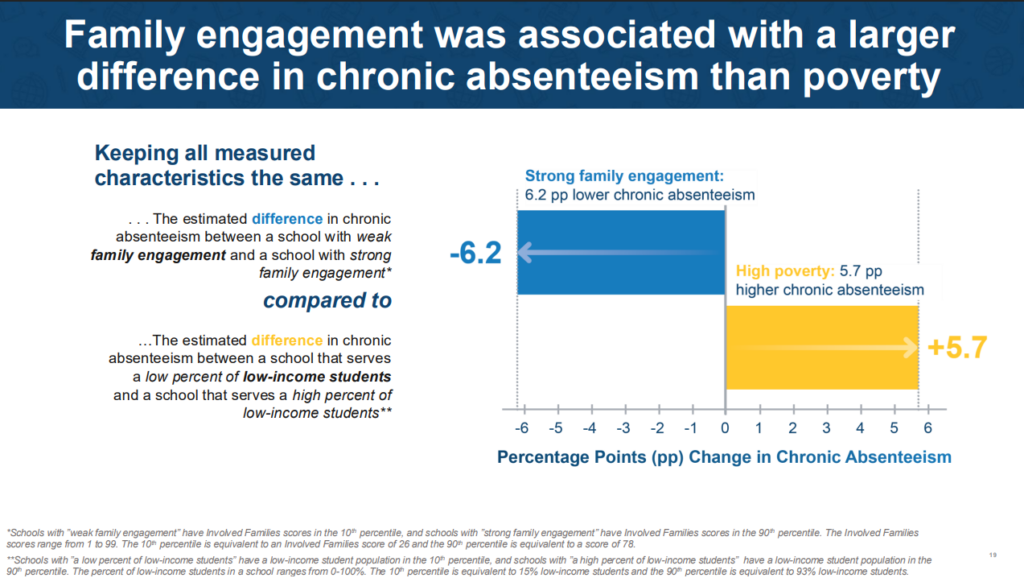
At the recent Community Engagement Initiative (CEI) PLLN, one message grounded the learning from start to finish: Engagement is not the goal, it is the strategy. Delivered during the keynote by Dr. Karen Mapp of the Harvard Graduate School of Education, this idea challenged participants to rethink how schools approach engagement. Not as a separate initiative, but as a core strategy for improving outcomes for students, families, and communities.
Throughout the convening, that message came to life through the voices, experiences, and leadership of students and families.
The two-day convening brought together educational partners from across California to strengthen community engagement practices, reflect on progress, and learn from one another through student leadership sessions, peer learning opportunities, and collaborative activities.
From Involvement to Partnership
During her keynote, Dr. Mapp emphasized the distinction between involvement and authentic engagement.
Meaningful engagement, she explained, is rooted in partnership. It prioritizes two-way communication, values the experiences and expertise of families and students, and creates relationships that are collaborative rather than transactional. This shift from simply involving educational partners to truly partnering with them was reflected throughout the convening.
Participants explored how strong relationships, shared leadership, and mutual trust create the conditions for meaningful and lasting change.
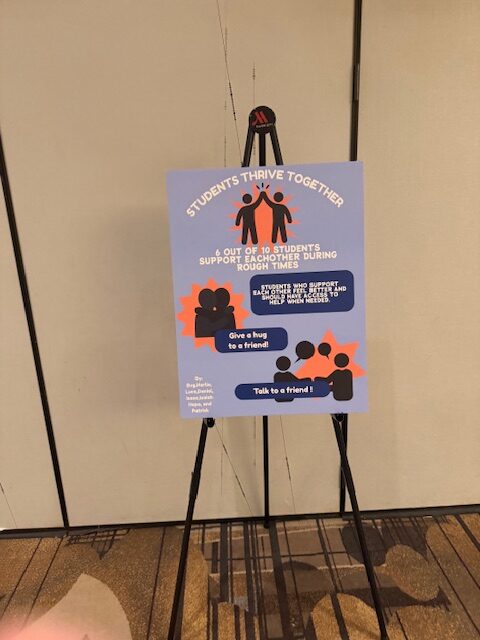
Students Leading Through Positive Social Norms Campaigns
One powerful example of student leadership emerged during presentations of Positive Social Norms campaigns. Students courageously shared campaigns they developed to address real challenges and experiences within their school communities. Through thoughtful messaging and peer-centered strategies, students demonstrated not only creativity and leadership, but also a strong commitment to fostering more positive and inclusive school environments.
Their presentations highlighted the importance of creating intentional opportunities for students to lead, contribute, and shape school culture.
More importantly, students spoke with honesty and confidence about the realities they see every day, modeling what authentic student voice can look like when schools create space for it.
Practicing Courage Through the CEI 2.0 Metrics Activity
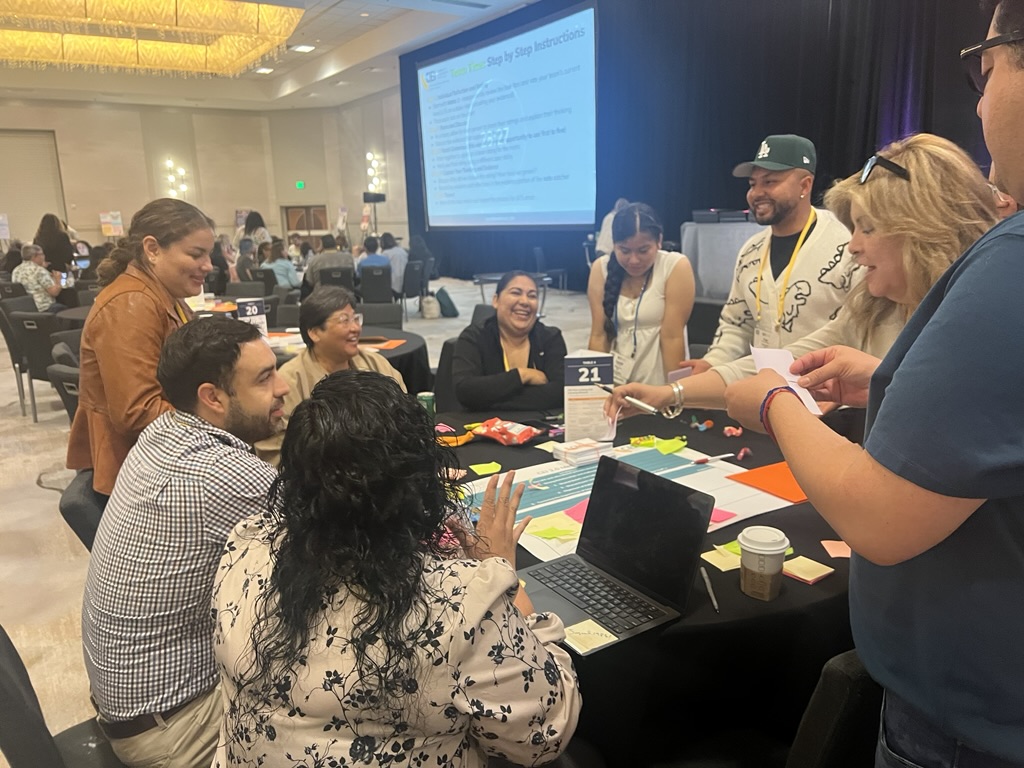
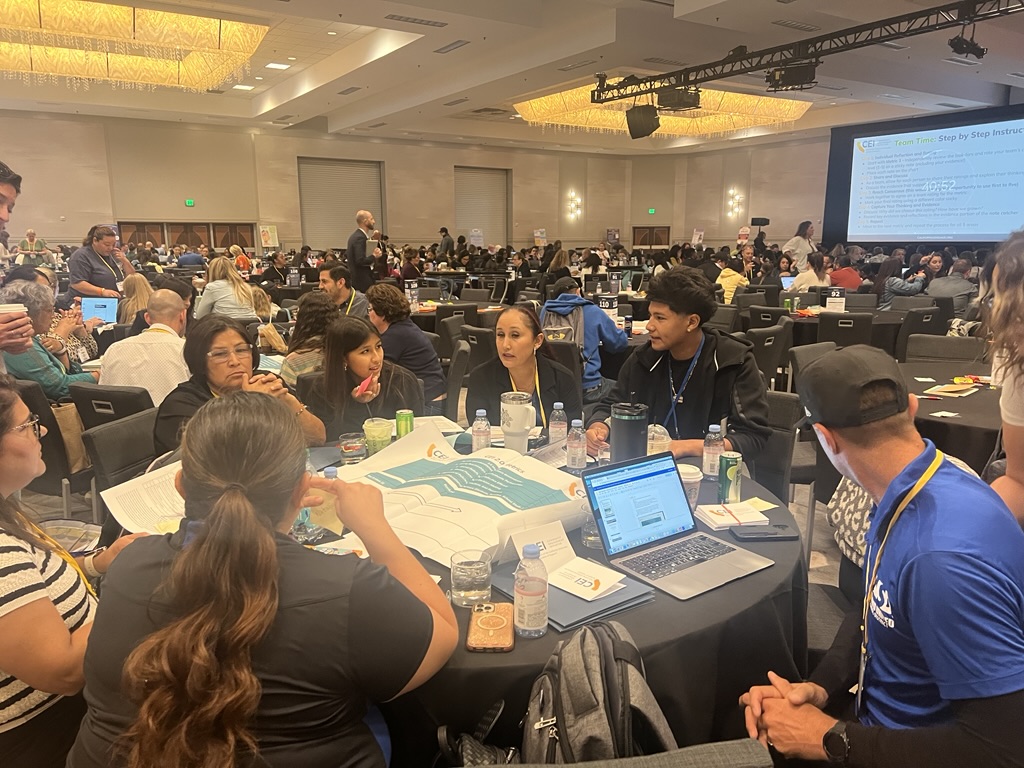
Another impactful moment came during a separate CEI 2.0 Metrics activity, where students and families engaged directly with district and site staff in reflection and dialogue around engagement practices and systems.
participants explored what meaningful engagement looks like across areas such as:
- strong relationships and authentic partnerships,
- shared beliefs and collective efficacy,
- shared power and decision-making,
- alignment of systems and resources, and
- centering the experiences of educational partners
What stood out most during this activity was the courage students and families demonstrated in the space.
They:
- Asked clarifying questions,
- Pushed for deeper understanding,
- Offered direct and honest feedback to district and site staff,
- Named strengths while also identifying areas for growth.
These conversations reflected what authentic engagement requires: trust, vulnerability, and a willingness to listen and learn together.
Rather than positioning students and families as passive participants, the activity created space for them to actively shape the conversation and provide feedback grounded in lived experience.
In many ways, this moment embodied one of the convening’s central themes: meaningful engagement happens when educational partners are not only invited into the room, but are trusted as collaborators in improvement efforts.



Building the Conditions for Belonging
Dr. Mapp’s keynote reinforced that authentic partnership begins with beliefs.
She shared several foundational ideas that drive meaningful family and community engagement, including:
- All families want the best for their children,
- All families have the capacity to support learning,
- Families and school staff should function as equal partners.
These beliefs were visible throughout the convening, not only in formal sessions, but in the relationships and conversations taking place across teams and cohorts.
Participants worked collaboratively to reflect on current practices, exchange ideas, and consider how systems can become more relational, responsive, and inclusive.
The convening also reinforced that engagement is not an “extra” initiative competing for attention. Instead, engagement serves as a foundational strategy for improving attendance, achievement, belonging, and overall student success.
A Reminder of What Is Possible
Perhaps the most powerful takeaway from the convening was the reminder that meaningful change happens when students, families, educators, and communities work together.
Whether through student-led campaigns, courageous conversations during the 2.0 Metrics activity, or reflections sparked by the keynote, participants experienced what authentic partnership can look and feel like in practice.
As one message from the keynote powerfully stated: “You’re actually changing someone’s life.”
That change begins when schools move beyond engagement as an activity and embrace it as a strategy for transformation. And as this convening demonstrated, when we partner— everyone wins.
As the CEI community continues to grow, educators, students, families, and community partners interested in future cohort opportunities can stay connected by signing up for notifications through the CEI website. CEI also offers a series of in-depth learning modules on meaningful pupil, family, and community engagement to support continued professional learning and deeper expertise in engagement practices.
