In Field Guide #7: School Re-orientation for Post-COVID Learning, we explore one of the most important challenges facing secondary students, which is providing a pathway to success for middle and high school students who have been failed by our traditional educational system, rather than the conventional “safety nets” that rescued students in relatively small numbers.
DEVELOPED IN PARTNERSHIP WITH
California Association of African-American Superintendents & Administrators (CAAASA)
Note: During CCEE’s Governing Board Meeting on December 2, 2021, Kaleena Fowler, who currently serves as a student board member in Mt. Diablo USD, shared her voice and thoughts on the road ahead for students. CCEE has been providing technical assistance support to Mt. Diablo USD since 2020.
This article was featured as part of the December 2021 edition of the CCEE Connection.
Could you introduce yourself?
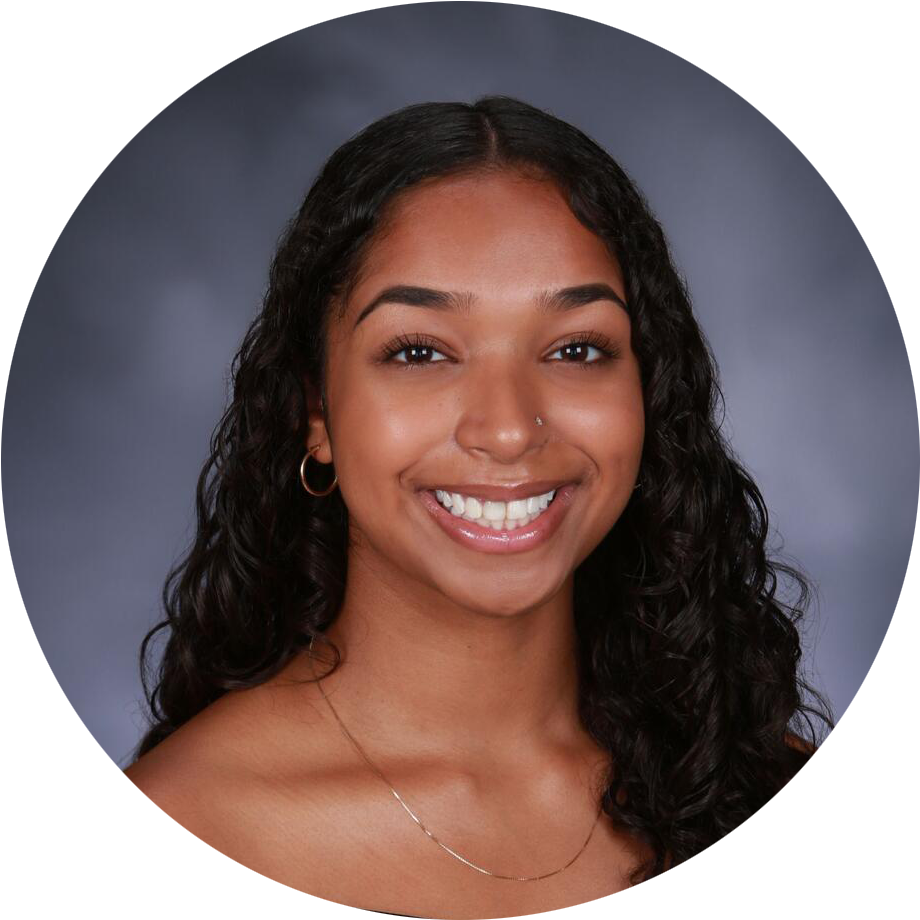
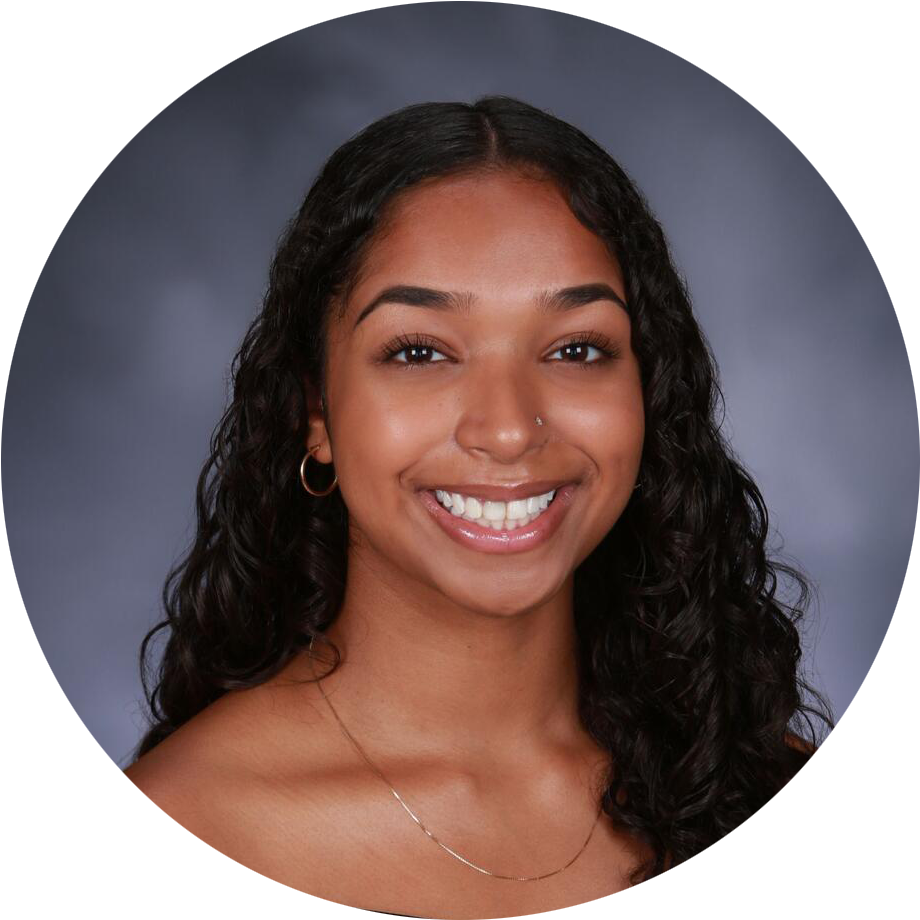
Hi, my name is Kaleena Fowler. I am a senior at College Park High School and also the student board member for the Mount Diablo Unified School District this year (MDUSD). I am the president of the Black Student Union (BSU) at College Park for about two years now, and have worked with the Boys and Girls of Contra Costa County and the Yellow Heart Committee, both great non-profit organizations. I am also an active member of the California Student Board Member Association (CSBMA) serving as the Director of Partnerships on the Executive Board. CSBMA is a student-led association of school district Student Board Members from across California that works together to better represent their constituents, allow for statewide youth advocacy, and provide support in the effort to expand Student Board Members across the state. My passion is advocating and speaking up for underserved and underrepresented communities.
My role as the student board member is to represent all 30,000 students in the district. I speak for all the elementary, middle and high school students. I am at every board meeting, I sit with all the other governing members, and I stay as late as they do. My voting status is preferential, meaning my vote does not influence the outcome of policies being passed, but it does influence the other governing members’ votes. I think that having the student board member position being created last year was extremely beneficial because almost everything the board passes is for the students. Having a student voice on the committee to give that perspective that none of the other board members have is extremely crucial. For instance, I remember when the new technology plan, Chromebooks, were being implemented for all middle and high schools. I asked, “Where are the middle schoolers going to put their Chromebooks, since they do not have a locker? How are we going to ensure the integrity of the Chromebooks will stay safe?”
Could you share some of your experiences as a student board member?
As the student board member, I have got the Student Advisory Committee (SAC) up and running with the help of Cherise Khaund, the President of the MDUSD Governing Board. The SAC is basically a group of pupils, from each individual school, on their student site council. We come together once a month, and bring policies, solutions, input, and more to the board. I should also mention middle school students are a part of the committee as well, which is amazing! It’s great to hear their perspectives. The topics we are discussing this year are the availability of COVID vaccination sites, a district-wide event for each big club (BSU, GSA, Latino Club, Interact, etc.), diversifying the English curriculum and novels, and more.
Within the BSU, Dr. Clark, the superintendent of the district, has come to meetings. One last year, one this year. The previous meeting he came to, he talked about the Coordinated Early Intervening Services (CEIS) program in the district. He pointed out that this policy was made because the homeless, foster, and African American/Latinx population were being underserved in the district. He talked about the stakeholders meeting he had with the African American parents, and students in the BSU were beyond happy to hear this plan. During and after the meeting, many students expressed how grateful they are to have this plan in place.
I am also working with district representatives to diversify the novel list for the English curriculum. I want the students of color to connect with what they are learning in school, and I feel like we do not have enough of that in the district.
What do think students need the most right now?
In September, I had the opportunity to speak at the capitol, on behalf of the Boys and Girls Club and the Yellow Heart Committee, regarding how COVID-19 has impacted students’ mental health. It was a nerve-racking, but amazing experience. In my speech, I highlighted what students need right now is accommodation. Since they spent a whole year confined to little black boxes on a screen, they have forgotten how to sit in a classroom for hours. No one knows how to compromise with others anymore.
That is why the social emotional learning concept is so important during these times. Social-emotional learning (SEL) is a methodology that helps students of all ages to better comprehend their emotions, to feel those emotions fully, and demonstrate empathy for others.
MDUSD created a survey designed to address social-emotional areas of development for self-awareness, self-management, social awareness, relationship skills, and decision-making. The survey is based on the CASEL (core competence areas and settings for learning) framework and is constructed from adapted survey items from peer-reviewed social and emotional research studies. All students in grades kindergarten and transitional kindergarten through grade twelve take the Social-Emotional Learning Survey. The survey is administered three times during the school year.
The suicide prevention workshops, school and community service, the social emotional education collaborative, mental health workshops, etc. are all amazing aspects of MDUSD.
What are your plans for the future?
In the future, I intend to go straight to a four-year college. I applied to a couple of Historically Black Colleges on the east coast, and many colleges in California. I will be studying political science, and then going to law school. I hope to become a human rights lawyer. Thank you so much for giving me this opportunity to share my experience. If you would like to contact me, my email is [email protected].
AUTHOR
Kaleena Fowler, Student Board Member, Mt. Diablo Unified School District
Leaders know how important connection and community is. How do we build and maintain both of these critical elements during this time of unprecedented crisis? Join other leaders in an exploration of some basic tools and principles that you can implement with your leadership team and other stakeholder groups. Learn how the “Three Signature Practices for Adults” from CASEL can apply to all opportunities for connection: with yourself, others, and groups. You will experience strategies and tools for migrating these practices to the virtual space.
San Diego County Office of Education (SDCOE) introduced the “Equity Blueprint for Action,” offering evolving, equity-centered tools to bolster educators and students.
The document aligns with the California LCFF priorities and School Dashboard, emphasizing a holistic approach to education beyond the basic mandates.
Input for the Equity Blueprint came from diverse community advisory groups, demonstrating SDCOE’s commitment to hearing and representing diverse voices in their mission.
Call to Action: Join our collective effort to reimagine schools; by integrating research-based best practices and community insights, we can forge a brighter, equitable future for all our students.
Learn about important accountability and continuous improvement topics as it relates to charter schools and special education. This toolkit features a series of in-depth on-demand training videos.
Network participants reviewed district and site-level data to identify strengths and gaps in the quality of assessments. This allowed participants to ensure existing assessments provide valid and reliable data needed to diagnose student needs and monitor progress. Districts will address data findings with action oriented steps to identify priorities or an identified problem of practice. With the rollout of the English Learner Proficiency Assessment for California (ELPAC) and English Learner Progress Indicator (ELPI), the PLN will also examined assessment practices and progress monitoring of EL students. Ultimately, the purpose of the PLN will be driven by the need to decrease the gap in student achievement through the expansion of formative and summative assessment data review practices, at the district, school and classroom levels.
PRESENTER
Fresno PLN
Resource Type
Media, Reports & Publications
Type of Audience
Site Administrator / Instructional Coach, Systems Leadership
Topic Area
Continuous Improvement, English Learners, LCAP
KEYWORDS
Formative and Summative Assessment, Professional Learning Network (PLN)
CCEE is partnering with TNTP to provide an eight-part learning series (each session 2.5 hours for instructional teams to design strong teaching and learning experiences in the coming year. Drawing on lessons from TNTP’s Learning Acceleration Guide and aligned to the requirements of the Learning Continuity and Attendance Plans, this learning series focuses on the critical pieces necessary for an accelerated learning approach.
For the LEAs that participated in the series, TNTP provided support to instructional leaders at every level of the system to develop the knowledge, skills, and mindsets they need to develop an accelerated learning approach, regardless of whether students are learning in the school building or in their living room.
At the end of this session, you will be able to:
Learn how to prioritize the most critical content for ELA and Math.
Identify the prerequisite knowledge, skills, and academic vocabulary that students will need to access that grade level content.
Resource Type
Professional Learning
Type of Audience
Site Administrator / Instructional Coach, Systems Leadership, Teacher
In this session, attendees will learn more about Orange County Department of Education (OCDE)’s supplementary support distance learning modules for TK-8th grade.The 6-week units are intended for use by all California schools and districts highlighting essential ELA and math standards organized around engaging science and history/social science topics.
PRESENTER
Trish Walsh, Holly Steele, Rhonda Marriott – Orange County Department of Education
Resource Type
Media, Professional Learning
Type of Audience
Site Administrator / Instructional Coach, Systems Leadership, Teacher
CCEE is partnering with TNTP to provide an eight-part learning series (each session 2.5 hours for instructional teams to design strong teaching and learning experiences in the coming year. Drawing on lessons from TNTP’s Learning Acceleration Guide and aligned to the requirements of the Learning Continuity and Attendance Plans, this learning series focuses on the critical pieces necessary for an accelerated learning approach.
For the LEAs that participated in the series, TNTP provided support to instructional leaders at every level of the system to develop the knowledge, skills, and mindsets they need to develop an accelerated learning approach, regardless of whether students are learning in the school building or in their living room.
At the end of this session, you will be able to:
Examine specific examples of instruction that accelerated learning by using just-in-time supports to ensure all students can engage with grade-level content.
Articulate the importance of aces, implementation and quality goals in accelerated learning work.
Explain how your system will create a plan to accelerate student learning over the next two years.