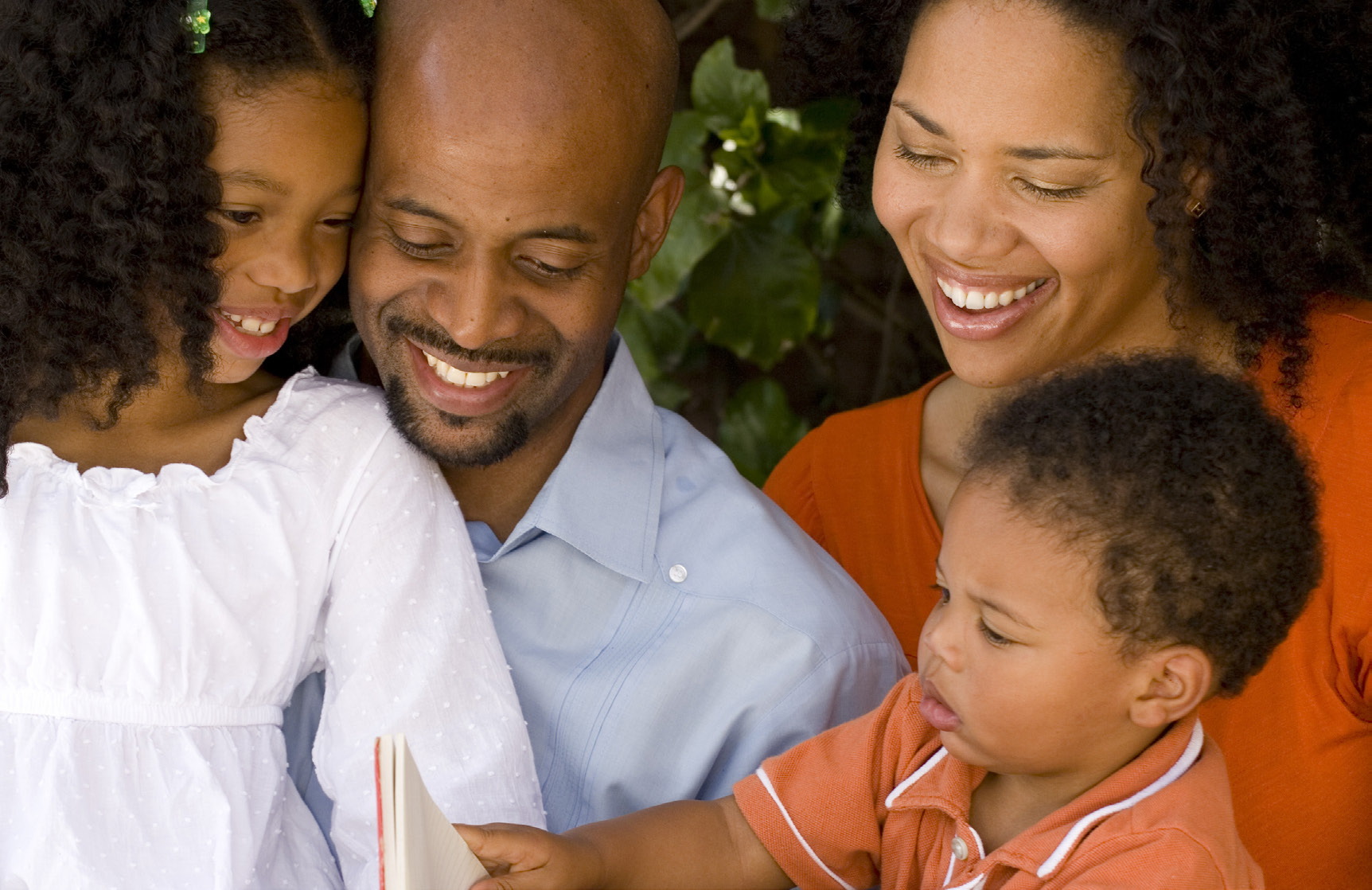
In Field Guide #3 School Re-Engagement: In-Person and Hybrid Learning, you will hear from education leaders, researchers, teachers, students, parents, and even a grandparent, all focused on the challenges of re-engaging in education.
DEVELOPED IN PARTNERSHIP WITH
California Association of African-American Superintendents & Administrators (CAAASA)
CAAASA Field Guide 1: Transitioning Back to School with a Focus on Relationships examines the costs of distance learning, the lessons learned, and the opportunities for growth. Hear from authentic voices in the field, including administrators, teachers, parents, and students, and engage in targeted professional learning.
DEVELOPED IN PARTNERSHIP WITH
California Association of African-American Superintendents & Administrators (CAAASA)
In this learning path, we’ve distilled the essential understandings necessary to begin planning for and implementing Universal Design for Learning. It’s a 30,000 ft. view of UDL – the why, what, and how – and guidance for beginning your journey as a school or district.
This month’s newsletter is brought to you by our Teaching, Learning, and Leading Center and some of the LEAs they work with. It highlights one of the unique pathways that Monterey County Office of Education is taking to inspire students to dream big. Solano County Office of Education and Vallejo City Unified School District take readers on their journey in Improvement Science. The newsletter also contains resources honoring Black History Month.
In Field Guide #6: Enhancing Parent Engagement for Student Success, you will hear from education leaders, researchers, teachers, and families about the importance of family engagement and strong parent-school partnerships in order to address the needs of the whole child.
DEVELOPED IN PARTNERSHIP WITH
California Association of African-American Superintendents & Administrators
In Field Guide #5 Back-to-School and the Year Ahead: Integrating Empathy, Compassion and Restorative Justice in Our Schools, you will hear from education leaders, researchers, teachers, and families about the need for culturally responsive approaches to instruction, discipline, and social emotional well-being.
DEVELOPED IN PARTNERSHIP WITH
California Association of African-American Superintendents & Administrators
CCEE has partnered with key organizations to produce learning paths – web-based learning resources to support educators in an on-demand learning environment. In this one-hour webinar, you’ll learn the what, where, why of learning paths and how to incorporate them into your professional learning plans. Also, the Center for Teaching Quality (CTQ) will take you through their companion facilitation guides that can support your use of the CTQ learning paths in a blended approach to professional learning.
PRESENTERS
James McKenna, Assistant Director, Professional Learning & Leadership Development, CCEE
Alesha Daughtrey, Executive Director and Partner, Center for Teaching Quality (CTQ)
Note: This article was featured in the January 2022 edition of the CCEE Connection. Read it here!
In 2021, at the height of the pandemic, the Santa Clara County Office of Education (SCCOE) established and convened a mental health Youth Advisory Group (YAG) to help guide SCCOE staff as we worked with districts and county behavioral health to open new student wellness centers at 12 local school sites.
The YAG is one of Santa Clara’s best examples of great community engagement in practice. YAG members are between the ages of 14-25, and were selected to be representative of our student community’s diverse race, ethnicity, gender, sexual orientation, lived experience, ability, geographic distribution, and socio-economic status. Starting in April 2021, over thirty students met monthly to develop community service projects, learn from local guest speakers with mental health expertise, and provide recommendations on the wellness centers — everything from the paint on the walls, to the types of services provided, to the characteristics and qualifications of staff. Students emphasized the necessity for services that are accessible on school campuses and are provided by practitioners who look like them: diverse, young, and from the community.
The YAG is divided into six committees, each with a particular focus around a specific aspect of mental health needs and awareness. For example, through the instruction of the SCCOE Director of Government Relations, students on the YAG Advocacy Committee learned how to advocate for themselves and the community. After a ten-week course on civic engagement, law making, and advocacy, the students developed their own proposals on mental health workforce development and began presenting their ideas to state and county leaders.
All 12 SCCOE student wellness centers are now open to students and are experiencing even greater success than anticipated — one wellness center recorded more than 700 student visits in the first week. Based on the input provided by the YAG, wellness center staff offer a broad scope of evidence-based services and supports ranging from one-on-one cognitive behavioral health counseling to clinician-led group activities such as art therapy, music therapy, and mindfulness. Now that the centers are fully operational, the YAG has pivoted to developing ongoing messaging on the wellness centers and focusing on building youth advisory groups at every campus so that wellness centers continue to grow in partnership with the needs of students.
Authors
Carolyn Gray, Research Assistant, Santa Clara COE
Amanda Dickey, Director of Government Relations, Santa Clara COE
RESOURCES
The Efficacy of Implementing a School-Based Approach to Student Wellness (research brief) – Coming soon!