
Managing & Improving Your Work

DESCRIPTION

CCEE is partnering with TNTP to provide an eight-part learning series (each session 2.5 hours for instructional teams to design strong teaching and learning experiences in the coming year. Drawing on lessons from TNTP’s Learning Acceleration Guide and aligned to the requirements of the Learning Continuity and Attendance Plans, this learning series focuses on the critical pieces necessary for an accelerated learning approach.

For the LEAs that participated in the series, TNTP provided support to instructional leaders at every level of the system to develop the knowledge, skills, and mindsets they need to develop an accelerated learning approach, regardless of whether students are learning in the school building or in their living room.

At the end of this session, you will be able to:

  1. Understand the process for implementing continuous improvement cycles.
  2. Begin to develop an improvement cycle in one key area to ensure students continue to experience equitable, high-quality virtual learning.
  3. Determine current status of this work within your district and create a plan for supporting continuous improvement within your role.

PRESENTER

Suzanne Marks, TNTP

SLIDES

LAUNCH SLIDES 

REFERENCES

SESSION 8 PARTICIPANT HANDOUT 

TNTP LEARNING ACCELERATION GUIDE 

LEARNING ACCELERATION PLANNING TOOL (PDF) 

LEARNING ACCELERATION PLANNING TOOL (DOC) 

RESOURCE TYPE

Professional Learning

TYPE OF AUDIENCE

Site Administrator / Instructional Coach, Systems Leadership, Teacher

TOPIC AREA

Continuous Improvement, Equity, Responsive Teaching & Learning

KEYWORDS

Learning Acceleration, School Reopening, TNTP
Measuring Impact on Equity Work (Equity Lead SDCOE)

DESCRIPTION

Measuring the impact of Equity Professional Learning is complex. There is a dearth of data in the educational field that exemplifies the impact of equity training on educators. Learn about the evaluation and assessments SDCOE intentionally utilized in order to keep track of the impact of Equity consciousness and development in changing school practice, outcomes and attitudes.

PRIMARY PRESENTER

Fabiola Bagula, Ph.D. – San Diego COE

Resource Type

Media

Type of Audience

Systems Leadership

Topic Area

Continuous Improvement, Equity, LCAP

KEYWORDS

Assessment, data, Professional Learning, System of Support

ARCHIVED VIDEO

SLIDES

LAUNCH SLIDES 

RESOURCES

SAN DIEGO COE WEBSITE

CEPIP EQUITY GRANT FIDELITY ASSESSMENTS – COHORT B

CALIFORNIA EQUITY GRANT KNOWLEDGE, SKILLS, AND ATTITUDES (KSAS)

2018 EMPATHY INTERVIEWS GUIDE

EQUITY AUDIT CHECKLIST 

EQUITY GRANT FINAL REPORT 

COACHING MODEL 

DEBRIEF PROTOCOL 

PERSONAL EXPERIENCE PANEL OVERVIEW 

RESOURCE TYPE

Media

TYPE OF AUDIENCE

Systems Leadership

TOPIC AREA

Continuous Improvement, Equity, LCAP

KEYWORDS

Assessment, data, Professional Learning, System of Support

Ways 2 Equity Playbook (Equity Lead SCCOE)

DESCRIPTION

The Ways 2 Equity Playbook, a navigational tool for districts and school sites to use on their equity journey, was launched by Santa Clara County Office of Education in September 2020. The Ways 2 Equity Playbook is the culminating project of the CA1: Highway to Success for All, which SCCOE (one of two State Equity Leads) developed utilizing funds from the California Equity Performance Improvement Program. This session will provide an overview of how this tool was developed, details on the Playbook design process, how to access and use the Playbook for your own equity journey and share additional tools and resources within the Playbook.

PRIMARY PRESENTER

Kathy Wahl – Santa Clara COE

CO-PRESENTERS

Sung Park – Santa Clara COE
Kelly Wylie – Santa Clara COE
Demerris Brooks – Santa Clara COE

Resource Type

Media

Type of Audience

Systems Leadership

/Topic Area

Continuous Improvement, English Learners, Equity, Family and Community Engagement, LCAP, Social-Emotional Well-being, Special Education

KEYWORDS

African American Students, Communication, Culturally Relevant Pedagogy, data, System of Support, Technology

ARCHIVED VIDEO

RESOURCES

SANTA CLARA COE WEBSITE 

SCCOE’S INCLUSION COLLABORATIVE 

WAYS 2 EQUITY PLAYBOOK 

Planning Your Training for Teachers and Leaders

DESCRIPTION

CCEE is partnering with TNTP to provide an eight-part learning series (each session 2.5 hours for instructional teams to design strong teaching and learning experiences in the coming year. Drawing on lessons from TNTP’s Learning Acceleration Guide and aligned to the requirements of the Learning Continuity and Attendance Plans, this learning series focuses on the critical pieces necessary for an accelerated learning approach.

For the LEAs that participated in the series, TNTP provided support to instructional leaders at every level of the system to develop the knowledge, skills, and mindsets they need to develop an accelerated learning approach, regardless of whether students are learning in the school building or in their living room.

At the end of this session, you will be able to:

Understand the priorities and process for planning effective professional learning. 
Analyze current approach to professional learning within your district. 
Create a plan for supporting professional learning for school leaders/teachers within  your role

  1. Understand the priorities and process for planning effective professional learning. 
  2. Analyze current approach to professional learning within your district. 
  3. Create a plan for support

Resource Type

Professional Learning

Type of Audience

Site Administrator / Instructional Coach, Systems Leadership, Teacher

Topic Area

Continuous Improvement, Equity, Responsive Teaching & Learning

KEYWORDS

Learning Acceleration, School Reopening, TNTP

PRESENTER

Suzanne Marks, TNTP

SLIDES

LAUNCH SLIDES 

REFERENCES

SESSION 7 PARTICIPANT HANDOUT 

TNTP LEARNING ACCELERATION GUIDE 

LEARNING ACCELERATION PLANNING TOOL (PDF) 

LEARNING ACCELERATION PLANNING TOOL (DOC) 

First Months of School: What Have We Learned?

Hot TopicsResponsive Teaching & Learning

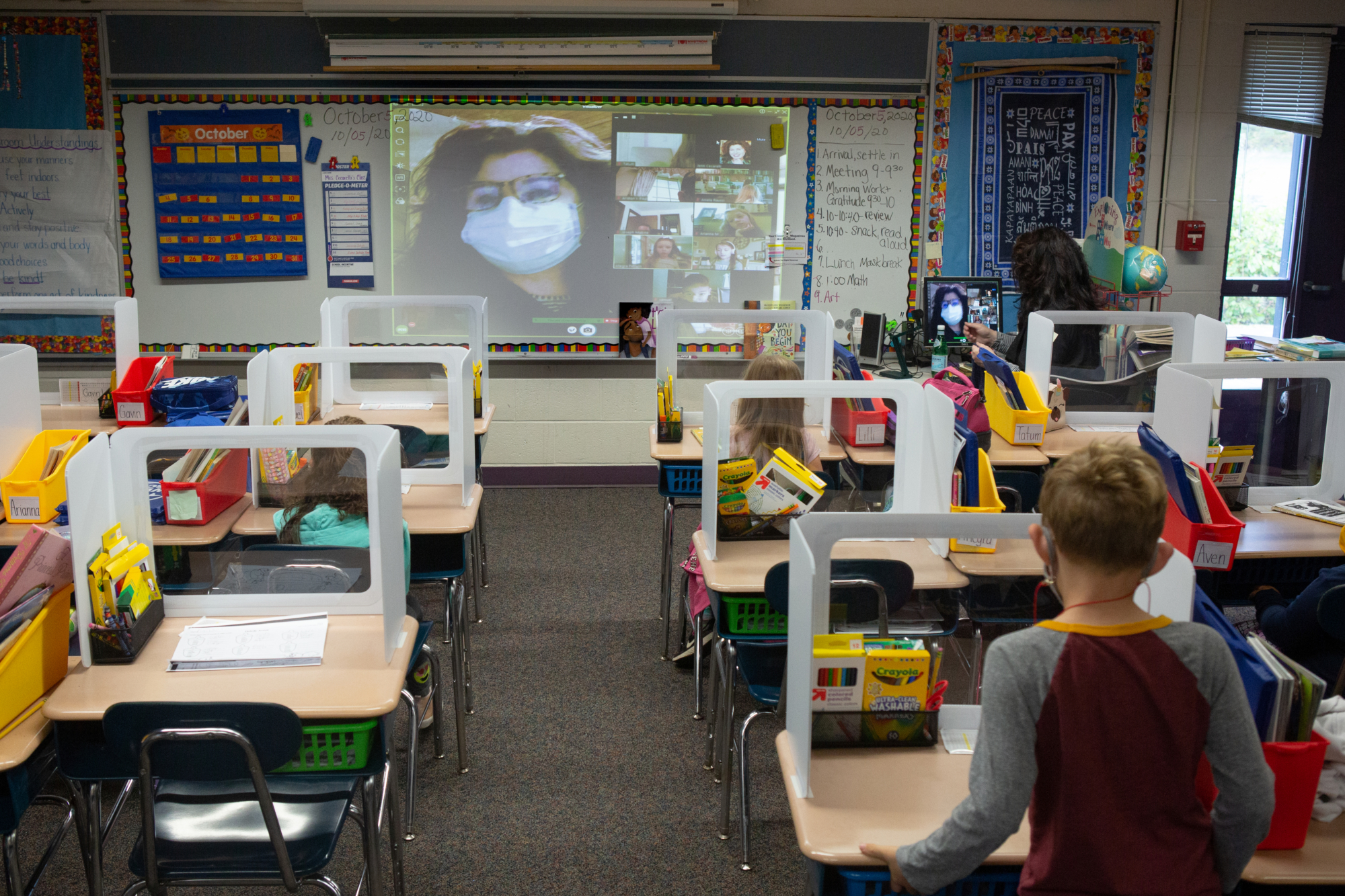
Our educational system is in the most extreme re-envisioning and retooling process in history. For many, school is no longer a building, but a dedicated URL, a screen, and a new toolbox of online instructional strategies. So, what has been learned since mid-March that has informed the first months of school?

Focus. Address the most urgent needs first. Successful schools and districts focus on the basics. They concentrate on infrastructure, attendance, and maintaining system coherence. Then they turn to curriculum, instruction, and assessment and the specific needs of students at risk of sustaining deep learning losses. Teachers focus in similar ways by reaching the child first, then bridging to the content. They master the tools of Zoom chat boxes to check for understanding, breakout rooms for small group work, Google Jamboards for students to chart and collaborate, and office hours for one-on-one conferencing.

Engagement. At the heart of engagement are relationships. Educators have always understood the challenges of school engagement but never with this sense of immediacy. Fortunately, in this two-dimensional world we inhabit, the fundamental understanding that school, in whatever way it manifests, is based in relationships has remained constant. Teachers and staff also need engagement opportunities that focus on wellness and managing the stress of our changing educational context. Teachers are still the most impactful factor in student learning and cannot effectively function without the expertise and support of their leaders. Engagement and connection reveal themselves in our new world to be both conceptual and literal, vital to students and adults alike. This includes your wellness!

Basics. What was always important is even more so now. The pandemic has exponentially increased the need for professional learning, especially for teachers to successfully shift to online learning. However, stay focused on the basics of teaching and learning. Remind educators of the importance of building relationships with students, structures, clarity of the outcome and demonstration of student learning. Making connections to what prior instructional focus areas that the district or school has been implementing is the right direction to go.

For ideas and resources to support you, please go to the CCEE website and CCEE Continuity of Learning Playbook.

Adapting Your Scope & Sequence and Pacing Guidance

DESCRIPTION

CCEE is partnering with TNTP to provide an eight-part learning series (each session 2.5 hours for instructional teams to design strong teaching and learning experiences in the coming year. Drawing on lessons from TNTP’s Learning Acceleration Guide and aligned to the requirements of the Learning Continuity and Attendance Plans, this learning series focuses on the critical pieces necessary for an accelerated learning approach.

For the LEAs that participated in the series, TNTP provided support to instructional leaders at every level of the system to develop the knowledge, skills, and mindsets they need to develop an accelerated learning approach, regardless of whether students are learning in the school building or in their living room.

At the end of this session, you will be able to:

  1. Understand the Critical Principles that inform pacing guidance adaptations.
  2. Explain how to adapt a scope & sequence/pacing guidance to ensure students have access to the priority content for their grade level.
  3. Identify current status of this work within your district and create a plan for supporting schools/teachers within your role.

Resource Type

Professional Learning

Type of Audience

Site Administrator / Instructional Coach, Systems Leadership

Topic Area

Continuous Improvement, Equity, LCAP, Responsive Teaching & Learning

KEYWORDS

Assessment, Learning Acceleration, School Reopening, Scope and Sequence, TNTP

PRESENTER

Suzanne Marks, TNTP

SLIDES

LAUNCH SLIDES 

REFERENCES

SESSION 4 PARTICIPANT HANDOUT 

TNTP LEARNING ACCELERATION GUIDE 

LEARNING ACCELERATION PLANNING TOOL (PDF) 

LEARNING ACCELERATION PLANNING TOOL (DOC) 

Supporting Student Wellbeing and Connectedness

DESCRIPTION

At the end of this session, you will be able to:

  1. Understand the relationship between wellbeing and connection and accelerated learning.
  2. Articulate the essential foundational principles for creating staff and student wellbeing and connection within our school communities.
  3. Generate a plan that ensures a variety of high impact supports for wellbeing and connectedness are offered at the classroom, school and system level.

PRESENTER

Suzanne Marks, TNTP

SLIDES

REFERENCES

LAUNCH SLIDES 

SESSION 2 PARTICIPANT HANDOUT 

TNTP LEARNING ACCELERATION GUIDE 

LEARNING ACCELERATION PLANNING TOOL (PDF) 

LEARNING ACCELERATION PLANNING TOOL (DOC) 

Resource Type

Professional Learning

Type of Audience

Site Administrator / Instructional Coach, Systems Leadership, Teacher

Topic Area

Continuous Improvement, Equity, Family and Community Engagement, Responsive Teaching & Learning, Social-Emotional Well-being

KEYWORDS

Culturally Responsive Practices, Learning Acceleration, TNTP

Instructional Resources to Support Students with Disabilities

DESCRIPTION

As California (CA) strives to support the educational success of each and every student, local educational agencies are poised to create learning environments that are universally designed, rigorous, and inclusive of all learners. Although CA has seen gains for its overall student population, schools are still challenged with attaining the same level of improvement for students with disabilities. To support LEAs in addressing the needs of CAs diverse learners, a set of instructional resources have been gathered to assist them.

AUTHOR

Students with Disabilities Collective

TOOL

LAUNCH TOOL 

Resource Type

Professional Learning, Reports & Publications

Type of Audience

Site Administrator / Instructional Coach, Teacher

Topic Area

Equity, LCAP, Special Education

KEYWORDS

MTSS, Universal Design for Learning (UDL)

Supporting the Technology Needs of Educators and Administrators

DESCRIPTION

How do you support the different distance learning scenarios in place now and in the fall? What do your educators and administrators need to be prepared for? How do you engage students while ensuring their privacy when not in the classroom? We’ll address these questions while considering what adaptations are needed for rural locations, where technology access can be even more challenging.

PRESENTER

Andrea Bennett – CITE, Pam GIldersleeve-Hernandez – CUE, Eric Calderon and Dennis Large – Riverside COE, Jared Johnson – Reef – Sunset USD

Resource Type

Media, Professional Learning

Type of Audience

Site Administrator / Instructional Coach, Systems Leadership, Teacher

Topic Area

Responsive Teaching & Learning

KEYWORDS

Distance Learning, Rural Schools/Districts, Technology

ARCHIVED VIDEO

SLIDES

LAUNCH SLIDES

Serving Students with Disabilities: The Basic Components Tool

DESCRIPTION

Sponsored by the CCEE in collaboration with the California Department of Education and WestEd, this tool helps LEAs identify, establish or strengthen, and continuously improve the basic components of a special education infrastructure. Designed to support LEAs plan and prioritize next steps for system improvement efforts, this tool provides a structured process to assess the underlying infrastructures of special education systems.

Ready to strengthen your special education infrastructure? Access the tool now and transform the educational experience for students with special needs. Take the first step towards a more inclusive and effective special education system.

PRESENTER

CCEE, CDE, and WestEd

TOOL

RESOURCE TYPE

Professional Learning, Tools & Templates

TYPE OF AUDIENCE

Systems Leadership

TOPIC AREA

Continuous Improvement, Special Education

KEYWORDS

Communication, data, Individualized Education Programs (IEPs)

If you have any questions, please contact Mindy Fattig, Senior Advisor Statewide System of Support at [email protected].